
Cable Termination or Jointing Kit? Know the Difference
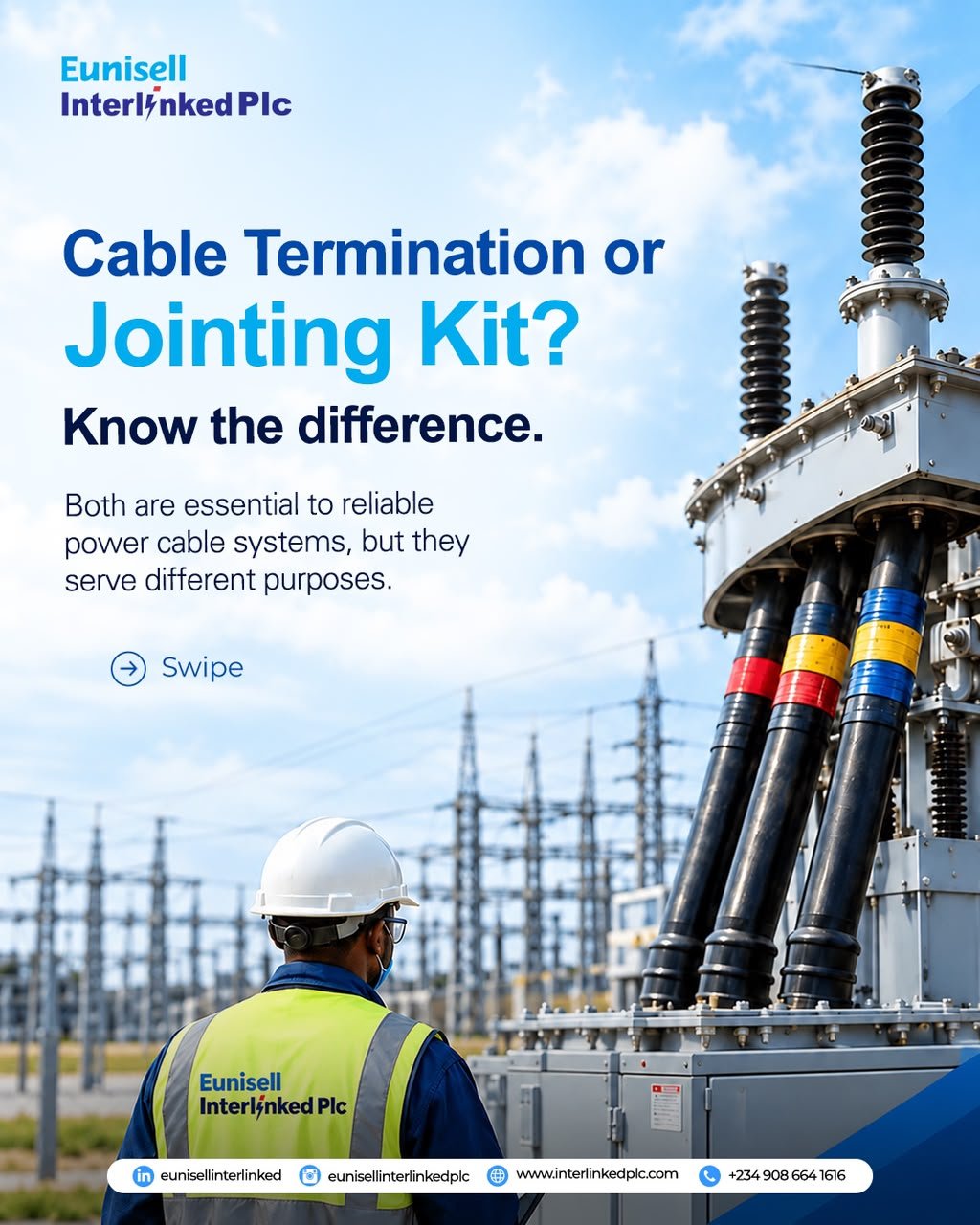
Cable termination or jointing kit; which one does your project need? Although both are used in power cable systems, they serve different purposes. A termination kit connects a cable to electrical equipment. A jointing kit connects two cable sections. Therefore, choosing the right kit is vital for oil and gas facilities, industrial plants, and EPC projects.
For international oil companies, indigenous oil and gas operators, and EPC contractors, the right cable accessories help protect electrical connections and support stable power supply. However, the first step is to understand how each kit works.
What Is a Cable Termination Kit?
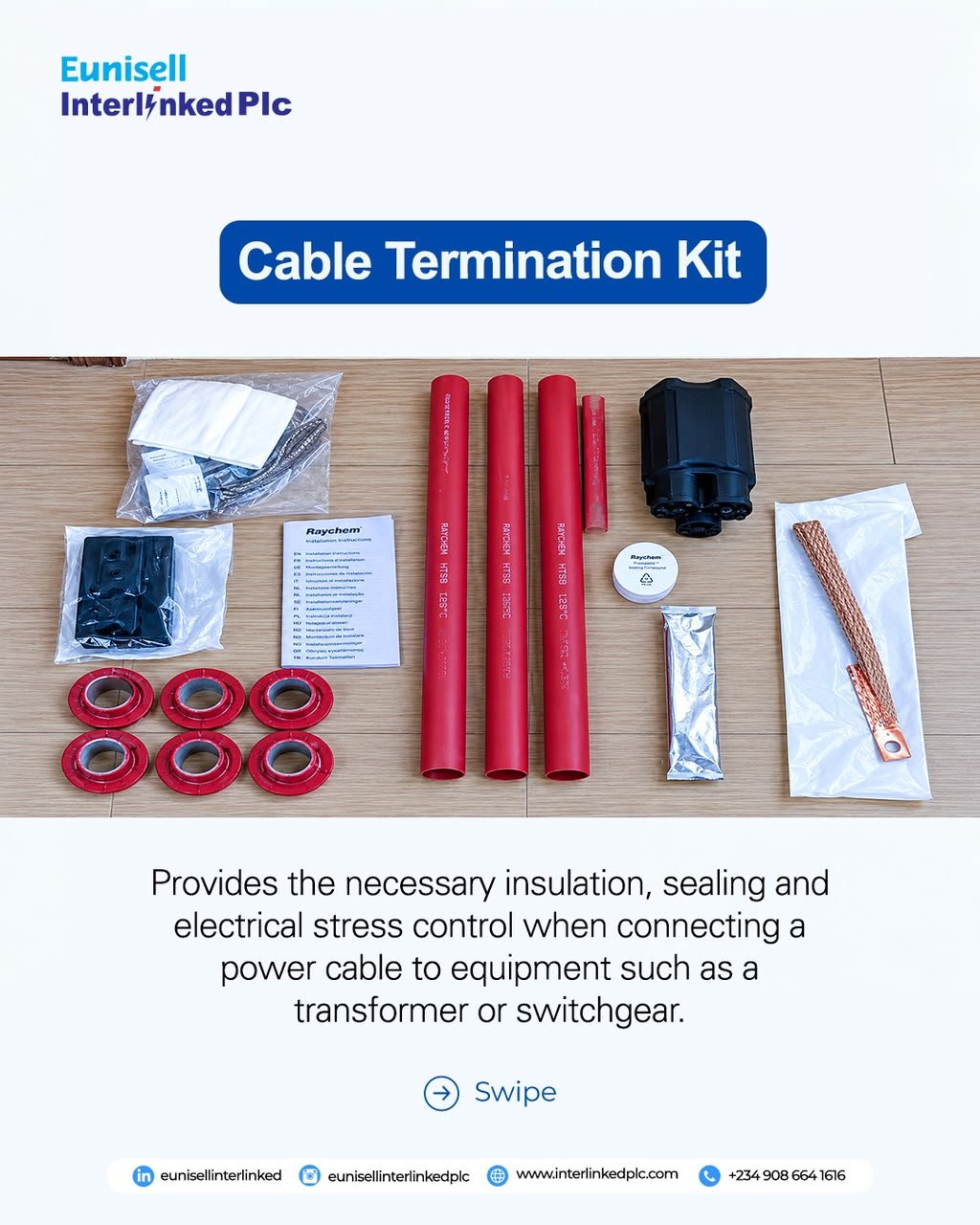
A cable termination kit prepares the end of a power cable for connection to equipment such as a transformer or switchgear.
It provides insulation, sealing, and electrical stress control. These features help protect the cable end and maintain a sound connection.
For example, when an 11 kV cable connects to switchgear in an oil and gas facility, the right termination kit helps create a secure interface between the cable and the equipment.
In addition, proper installation helps protect the connection from moisture and other site conditions.
A cable termination kit is used when a cable needs to connect to equipment.
What Is a Cable Jointing Kit?
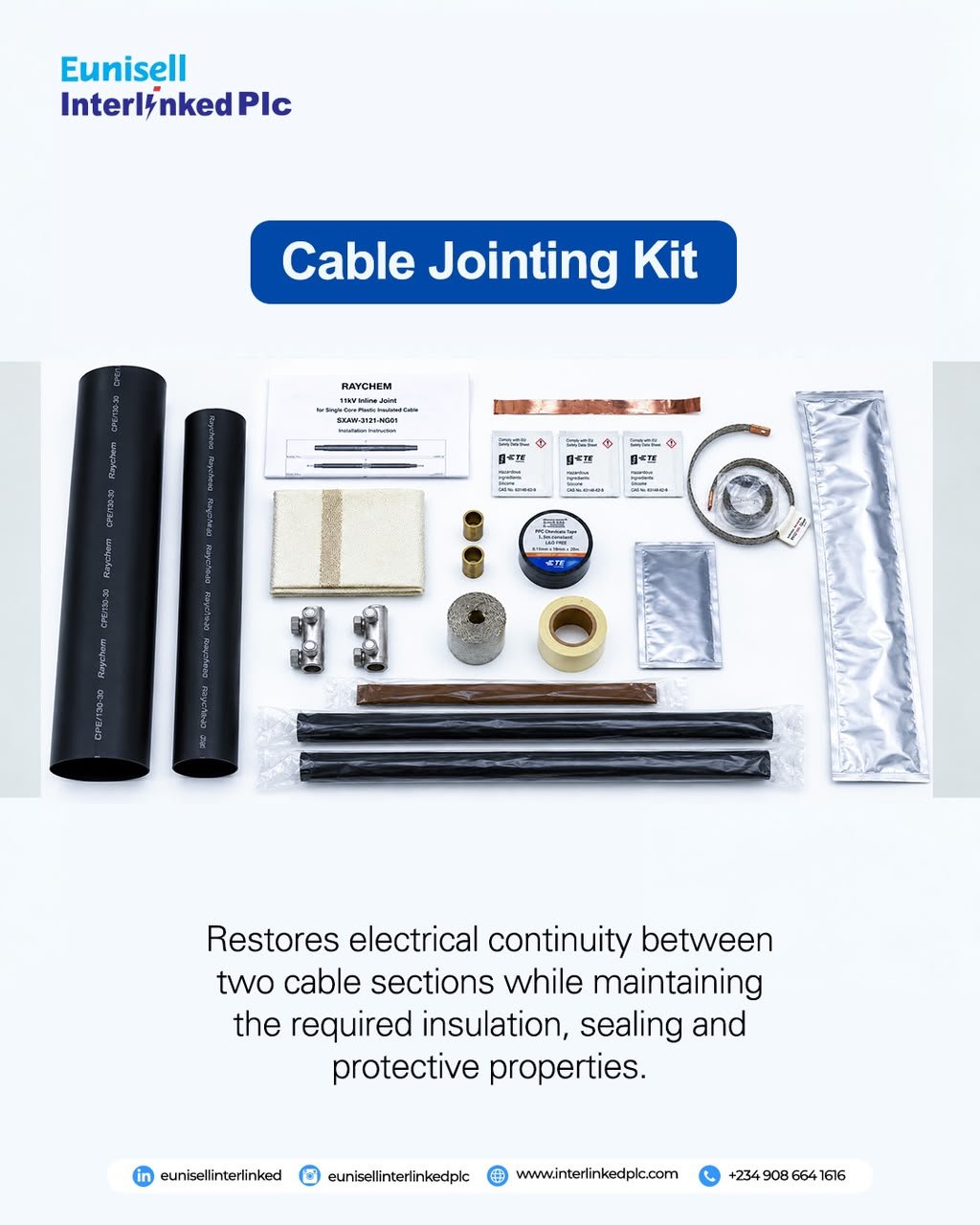
A cable jointing kit joins two sections of power cable. It restores electrical continuity while maintaining the insulation and protection needed for the cable system.
For instance, a jointing kit may be needed when a cable run must be extended or when a damaged section needs to be replaced.
The kit helps restore the cable’s protective layers at the joint. As a result, the connection can perform as intended when the correct kit is selected and installed.
However, the kit must match the cable type, voltage rating, size, and site conditions.
A cable jointing kit is used when two cable sections need to be joined.
Cable Termination or Jointing Kit: What Is the Difference?
The main difference is where each kit is used and what it does.
| Feature | Cable termination kit | Cable jointing kit |
|---|---|---|
| Main purpose | Connects a cable to equipment | Joins two cable sections |
| Typical application | Transformers, switchgear, and other suitable equipment | Cable extensions and cable repairs |
| Main task | Protects the cable end and controls electrical stress | Restores continuity, insulation, and sealing across the joint |
| Installation point | At the end of a cable | Along a cable run, where two sections meet |
Although both kits provide insulation and sealing, they are not interchangeable. Therefore, project teams must confirm the application before selecting a product.
Why the Right Cable Kit Matters in Oil and Gas and EPC Projects
In oil and gas facilities, electrical systems must meet the needs of the site and the equipment they serve. The same applies to power systems installed by EPC contractors.
An unsuitable cable accessory or poor installation can affect the cable connection. Consequently, the right kit and correct installation method matter.
Here are four key points to consider.
1. Match the Kit to the Cable
First, check the cable type, conductor size, insulation, and voltage rating. These details help determine which termination or jointing kit is suitable.
2. Consider the Site Conditions
Next, consider whether the cable is installed indoors, outdoors, underground, or in another operating environment. Moisture, heat, and other site conditions may affect product selection.
3. Follow the Correct Installation Procedure
Even the right kit can perform poorly if it is installed incorrectly. Therefore, cable preparation, stress control, insulation, and sealing must follow the manufacturer’s instructions.
4. Check the Project Requirements
Finally, review the project specification and applicable standards before selecting a kit. This helps ensure the product meets the needs of the cable system and connected equipment.
Cable Termination and Jointing Solutions from Eunisell Interlinked Plc
Eunisell Interlinked Plc supplies Raychem cable accessories and provides professional installation support for medium- and high-voltage applications.
For oil and gas companies, international oil companies, indigenous operators, and EPC contractors, the right solution starts with understanding the cable and its intended use.
Whether your project requires a cable termination kit or a cable jointing kit, product selection should reflect the voltage level, cable design, installation environment, and project specification.
You can explore our Raychem cable kits and accessories to learn more about available products. In addition, visit our high-voltage electrical services page to learn about our wider engineering capabilities.
For further technical information, visit TE Connectivity’s official power cable accessories page. It covers cable terminations, joints, and other accessories for power networks.
Need Help Choosing the Right Cable Kit?
Choosing between a cable termination or jointing kit starts with one simple question: are you connecting a cable to equipment, or joining two cable sections?
Once you know the application, you can assess the cable details and site conditions to select the right solution.
At Eunisell Interlinked Plc, we understand the importance of proper product selection and installation in power systems. Our team can help you discuss your cable accessory needs.
Planning an oil and gas, industrial, or EPC project? Contact Eunisell Interlinked Plc to discuss your cable termination and jointing requirements.
Follow Eunisell Interlinked Plc on LinkedIn and Instagram for more engineering insights, product updates, and project information. You can also visit our YouTube channel for video content and technical updates.